How to Layer Like a Pro: Men’s Edition
Layering is one of the most powerful tools in a man’s wardrobe. Done well, it transforms simple pieces into sharp, dynamic outfits that feel intentional and versatile. Done poorly, it can create bulk, imbalance, and confusion. The key is understanding structure, proportion, texture, and tone - combining them to create outfits that are functional, stylish, and expressive.
Modern layering isn’t about piling on clothing. It’s about creating depth, contrast, and dimension while maintaining clean lines. When mastered, layering allows a single wardrobe to produce countless looks, each tailored to mood, setting, or occasion. Here’s a comprehensive guide to layering like a pro.
Start with a Solid Foundation
Every great layered outfit begins with the base. This layer should fit close to the body and provide a clean canvas for additional pieces. Minimal tops, crisp shirts, or fine knits work best. They are versatile, easy to combine, and create a sense of order that balances the layers above.
A well-chosen base also ensures comfort. Lightweight fabrics allow freedom of movement, preventing the outfit from feeling restrictive or heavy. This foundation is the first step to layering with confidence.
Build with Mid-Layers
Mid-layers are where personality enters an outfit. Structured tops, relaxed jackets, or clean knits can add dimension, warmth, and visual interest. This is also the stage where contrast begins - pairing different textures, lengths, or tones to elevate the ensemble.
The key is proportion. A mid-layer should complement both the base and outer layers. For example, a slightly relaxed top over a fitted base adds depth without overwhelming the frame. Mid-layers are versatile - they can be worn alone or with additional layers, making them a cornerstone of professional layering.
Outer Layers for Structure and Presence
Outer layers define the silhouette and create impact. Structured jackets, lightweight coats, or longline pieces provide form and authority to the overall look. The outer layer anchors the outfit, giving it cohesion and polish.
The ideal outer layer is balanced - structured enough to convey refinement, yet flexible enough for comfort and mobility. Clean lines, minimal bulk, and careful attention to length ensure the outfit remains sharp. Outer layers are also the stage where layering meets function, providing protection and style simultaneously.
Master Proportions
Proportion is critical in layering. Combining different lengths, fits, and silhouettes adds visual interest and prevents bulk. A fitted base with a relaxed mid-layer and a structured outer layer creates a balanced look that feels intentional and composed.
Avoid layering pieces that compete in volume or length. Each layer should complement the others, maintaining a coherent shape from top to bottom. Mastering proportion allows even simple combinations to feel elevated and professional.
Play with Texture
Texture adds depth and richness to layered outfits. Mixing fabrics - smooth knits with subtle weaves, soft layers with structured pieces - creates a visual rhythm that feels dynamic without being chaotic.
Texture can also help balance proportions. Heavier textures on mid- or outer layers can anchor lighter bases, while soft fabrics can soften the edges of structured pieces. Thoughtful textural contrasts elevate layering from functional to expressive.
Mind Your Palette
Color and tone are essential in successful layering. Start with a cohesive base palette — neutral tones like black, grey, navy, or earthy shades work best. These foundations allow mid- and outer layers to introduce subtle contrasts or complementary hues.
Repetition of tone across layers can unify the outfit, while small pops of contrast create focus and dimension. A consistent approach to color ensures the ensemble looks deliberate rather than thrown together.
Focus on Fit at Every Level
Fit is the silent enabler of layered style. A well-fitted base, mid-layer, and outer layer allow movement, comfort, and clean lines. Each piece should follow the body’s natural shape without clinging too tightly or hanging too loosely.
Attention to fit also maintains balance across layers. Even the most thoughtfully combined pieces can appear messy if proportions are off. Proper fit ensures that the layers work in harmony, projecting a polished and intentional look.
Layering with Purpose
Effective layering is functional as well as stylish. Consider the setting, weather, and movement when building your outfit. Layers should serve a purpose - providing warmth, structure, or visual interest - without adding unnecessary bulk.
Layering also allows versatility. A single base can be styled in multiple ways, creating different looks for casual outings, professional environments, or social settings. This adaptability is a key advantage of mastering layering.
Confidence Completes the Look
No matter how well layers are combined, confidence is what brings them to life. The right posture, movement, and awareness amplify the impact of any outfit. Layering is not just a technique; it’s a tool to express composure, style, and presence.
Men who master layering develop a wardrobe that feels expansive, even with limited pieces. Each combination communicates thoughtfulness, versatility, and personality. Layering, when done correctly, is the ultimate expression of modern style: effortless, dynamic, and intentional.
Trending Topics
Stay Trendy with Our Latest Insights
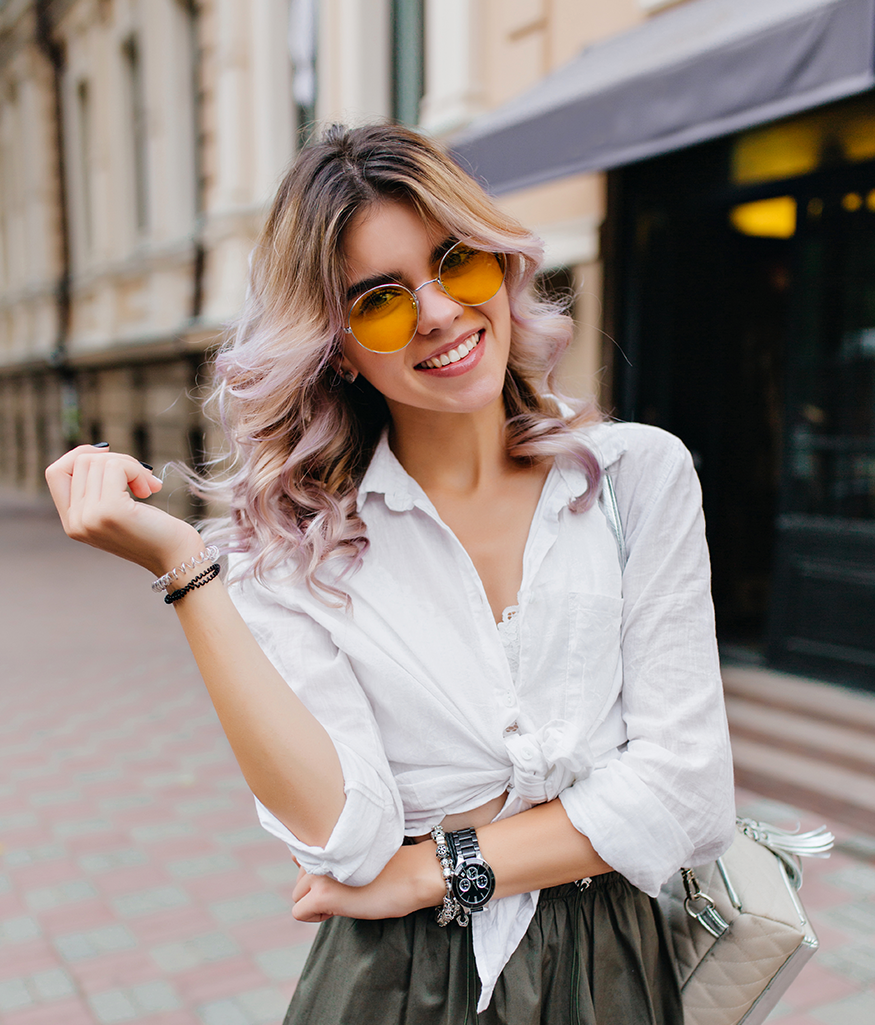
Guide to Dressing Sharp Every Day
It’s the art of turning everyday clothing into statements of style without effort or exaggeration. Achieving a polished look every day doesn’t require complexity. Instead, it relies on a foundation of clean lines, thoughtful fit, and cohesive color palettes. When mastered, it transforms simple routines into deliberate expressions of personal style.
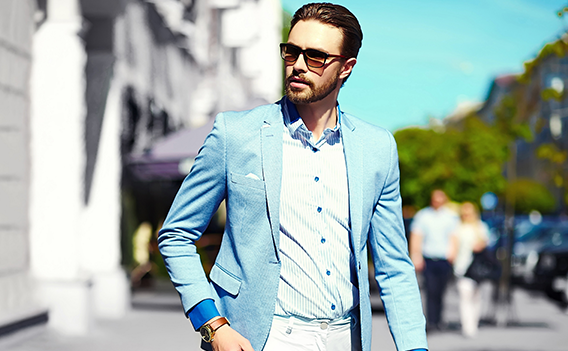
How to Layer Like a Pro: Men’s Edition
Layering is one of the most powerful tools in a man’s wardrobe. Done well, it transforms simple pieces into sharp, dynamic outfits that feel intentional and versatile. Done poorly, it can create bulk, imbalance, and confusion. The key is understanding structure, proportion, texture, and tone - combining them to create outfits that are functional, stylish, and expressive.
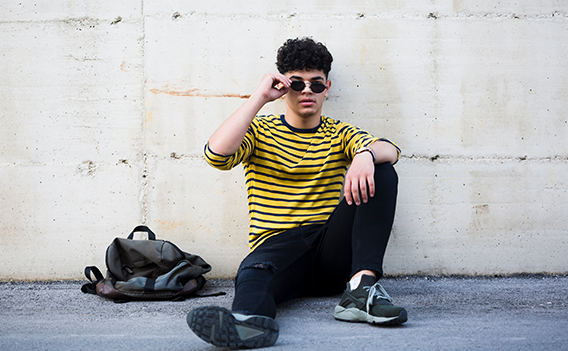
The New Gentleman: Redefining Men’s Streetwear
Modern men’s streetwear has evolved into something more refined - a seamless blend of urban energy and understated sophistication. The new gentleman of street style is no longer defined solely by logo-driven pieces or loud combinations. Instead, he embraces structure, texture, and intention.